


Mini Bar Fridges: What to Look For When Space Is Tight
Key Takeaways
-
Freestanding and built-in fridges vent differently, so installation type comes first.
-
Compressor cooling handles heat and holds temperature better than thermoelectric.
-
Measure the opening including depth, door swing, and clearance, not just width.
-
Match the interior layout to what you drink, whether cans, bottles, or both.
-
Look for stable temperature control, quiet operation, and low vibration.
A mini bar fridge promises the perfect thing: cold drinks exactly where you want them, without surrendering a corner of the kitchen or the whole garage. But compact does not mean simple. In a tight space, the small decisions matter more, not less, because a fridge that vents the wrong way, cools unevenly, or turns out an inch too deep becomes a daily frustration instead of a convenience.
This guide covers what actually matters when choosing a mini bar fridge for a small space, from installation type and cooling technology to the details people overlook until the unit is already in place.
Start With How It Will Be Installed
Before any other feature, decide how the fridge will sit in the space, because this single choice rules some models out entirely.
The critical distinction is freestanding versus built-in, and it comes down to ventilation. A freestanding fridge vents from the back and needs open air behind and around it to shed heat. Slot one into a tight cabinet enclosure and it cannot breathe, which makes it work harder, run hotter, cool poorly, and wear out faster.
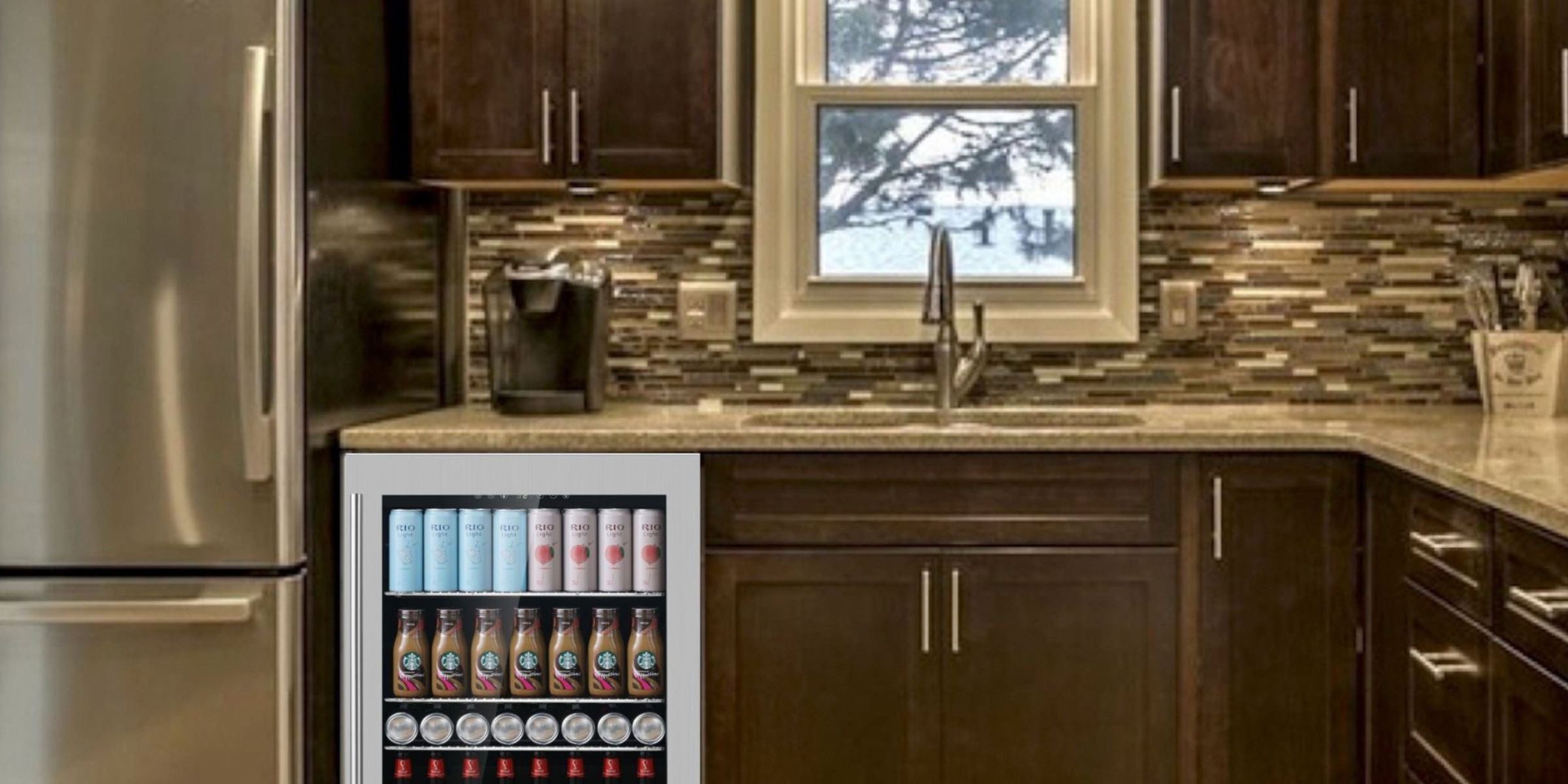
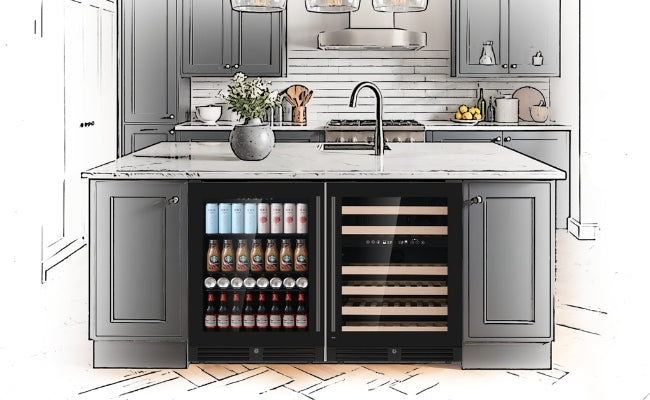
A built-in fridge, by contrast, vents from the front, usually through the base, so it can sit flush inside cabinetry or under a counter with no gap around it. If you are installing into a cabinet, an island, or a bar surround, you need a built-in-capable unit, full stop. Trying to enclose a freestanding model is the single most common mini-fridge mistake, and it is the one that leads to warm drinks and early failure. If your plan is to integrate the fridge into cabinetry, it is worth understanding how a built-in installation is meant to work before you buy.
Measure the Space Completely
In a tight spot, measuring is everything, and the mistake is measuring only the width. You need all three dimensions plus clearances.
Measure the width, the height, and the depth of the opening, and treat depth as the one that catches people out, since a unit that sticks out past the counter or cabinet face looks and feels wrong. Then add the practical clearances: room for the door to swing fully open without hitting a wall, cabinet, or island, and, for freestanding units, the ventilation gap the manufacturer specifies around the unit.
Two more details save real headaches. Check which way the door hinges and whether it can be reversed, because in a narrow galley or a corner, a door that opens the wrong way makes the fridge awkward to use. And confirm there is a power outlet within reach of the location, since running a fridge off an extension cord is not ideal and rerouting power after the fact is a project.
Understand the Cooling Technology
Not all mini fridges cool the same way, and the difference determines how well the unit performs, especially in a warm room.
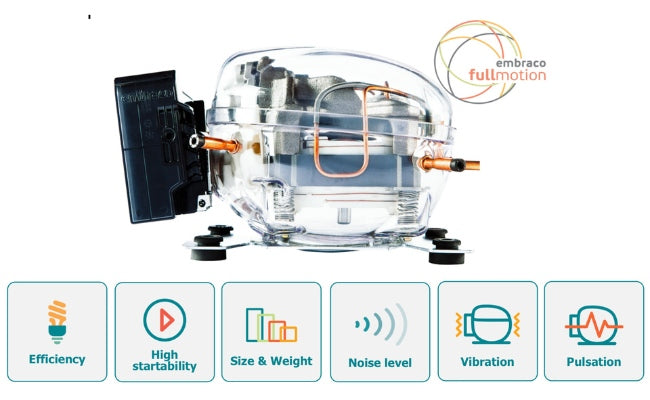
Compressor cooling is the same technology used in full-size refrigerators. It cools powerfully, reaches lower temperatures, holds a steady temperature even when the room is warm, and recovers quickly after the door is opened. For most people, and especially for a fridge in a garage, a sunroom, or anywhere temperatures swing, compressor cooling is the reliable choice. KingsBottle units use inverter compressor technology specifically for this reason, since it delivers precision temperature stability with reduced vibration and better energy efficiency than a standard compressor.
Thermoelectric cooling is quieter and has no compressor, but it can only cool to a limited degree below the surrounding room temperature and struggles when the room gets warm. It suits a consistently climate-controlled room and a modest cooling need, but it is the wrong pick for a hot garage or a unit you need to hold a precise, low temperature.
The practical takeaway: if the fridge will live anywhere that gets warm, or you want dependable, stable cooling, compressor is the safer choice.
Match the Interior to What You Drink
A mini bar fridge is only useful if it holds what you actually stock, and interior layout varies more than the exterior suggests.
Think about your mix. Cans, standard bottles, tall bottles, and wine bottles all pack differently, and a fridge optimized purely for cans may not fit a wine bottle lying down, while one built for bottles may waste space on cans. If you drink a range, look for adjustable or removable shelves that let you reconfigure the space as your stock changes.
Capacity is the other half of this. Compact fridges are measured in cubic feet or in can and bottle counts, and it is worth being honest about how much you actually keep cold rather than buying the smallest unit that seems to fit. For a space that hosts guests or doubles as a drinks station, sizing up slightly usually pays off. If the fridge is the heart of a dedicated drinks area, planning the whole beverage station around it helps you get both the capacity and the layout right.
Interior details worth checking include the shelf material and sturdiness, whether the shelves are easy to clean, and interior lighting, which makes a real difference in a fridge tucked under a counter or into a dim corner.
The Details People Overlook
A few features separate a mini fridge you enjoy from one that quietly annoys you every day.
-
Temperature control and stability. Look for adjustable, precise temperature settings and a unit that holds temperature reliably rather than drifting. Digital controls make this easier to dial in and monitor.
-
Noise and vibration. In an open-plan space, a bedroom, or a home office, a loud or buzzy fridge becomes a constant irritation. Quieter compressors and low-vibration designs matter, and low vibration also protects wine from being disturbed.
-
Glass versus solid doors. A glass door shows off the contents and suits a display-style drinks area, while a solid door insulates better and hides clutter. Glass doors on quality units use treated glass to limit heat and UV, which matters if any wine is stored inside.
-
Energy use. A fridge runs constantly, so efficiency affects the running cost over its life. It is worth knowing roughly how much energy a cooling unit uses before you buy, especially for a second fridge that adds to the household load.
-
Finish and door style. In a small, visible space the fridge is part of the room, so a stainless or integrated finish that matches the surroundings makes a compact unit feel built-in rather than tacked on.
A Note on Where You Put It
Mini bar fridges often end up in places a full kitchen fridge never would: a garage, a home gym, a basement bar, a sunroom, an outdoor kitchen. Those spots are exactly where the earlier choices pay off or backfire. A garage or sunroom can get genuinely hot, which is where compressor cooling earns its keep and thermoelectric units fall short. An outdoor or semi-outdoor location needs a unit rated for it, since a standard indoor fridge is not built for the temperature swings and moisture.
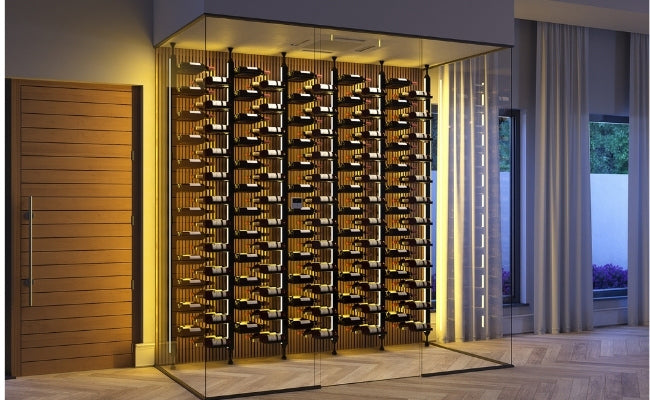
The same caution applies to wine. People often ask whether a wine fridge can live in the garage, and the honest answer is that it depends on the unit and the conditions, which is worth reading up on before you assume any wine fridge will cope with a garage environment. Match the unit to the real conditions of the spot, not the conditions you wish it had, and the fridge will hold up.
Frequently Asked Questions
Can I build a freestanding mini fridge into a cabinet?
No, and this is the most common and costly mini-fridge mistake. A freestanding fridge vents heat from the back and needs open air around it, so enclosing it in a cabinet traps that heat, makes the unit run hot, cool poorly, and fail early. For any built-in installation into cabinetry or under a counter, you need a front-venting, built-in-capable model designed to sit flush without a ventilation gap.
Is compressor or thermoelectric cooling better for a mini bar fridge?
Compressor cooling is better for most situations, because it cools powerfully, reaches lower temperatures, and holds steady even when the room is warm or the door opens often. Thermoelectric cooling is quieter but only cools slightly below room temperature and struggles in heat. If the fridge will sit in a garage, sunroom, or anywhere temperatures swing, compressor cooling is the dependable choice.
What size mini bar fridge do I need for a tight space?
Measure the width, height, and depth of the opening, then add clearance for the door to swing and, for freestanding units, the ventilation gap. Depth is the dimension most often overlooked and the one that makes a fridge stick out awkwardly. Rather than buying the smallest unit that fits, size to what you actually keep cold, sizing up slightly if the space hosts guests.
Do mini bar fridges keep wine at the right temperature?
Some do, but it depends on the unit. A quality beverage fridge with precise, adjustable temperature control and stable cooling can hold wine at a suitable serving temperature, and treated glass doors help protect it from heat and UV. For serious or long-term wine storage, though, a purpose-built wine cooler with proper temperature and humidity control is the better tool than a general mini fridge.
Choosing the Right Compact Fridge
When space is tight, a mini bar fridge rewards careful choosing. Decide how it will be installed before anything else, since freestanding and built-in units vent differently and are not interchangeable. Measure the opening completely, including depth and door swing. Favor compressor cooling for dependable performance, match the interior to what you actually drink, and weigh the quieter details like noise, temperature stability, and finish. Get those right and a compact fridge delivers cold drinks exactly where you want them without compromise.
Explore KingsBottle's range of beverage refrigerators, including under-counter models built to sit flush in tight spaces, to find a compact fridge engineered for stable cooling and quiet, low-vibration operation.