
How to Set Up the Perfect Home Beverage Station with a Built-In Beverage Refrigerator
Key Takeaways
-
A dedicated beverage station helps reduce clutter in the main refrigerator while making drinks easier to access and organize.
-
Built-in beverage refrigerators offer specialized storage, consistent temperatures, and seamless integration with cabinetry for a custom look.
-
The best beverage stations are designed around household habits, including daily beverage consumption, entertaining needs, and available space.
-
Strategic placement in kitchens, home bars, family rooms, home offices, or outdoor living areas can significantly improve convenience.
-
Proper planning should include refrigeration, storage, countertop workspace, electrical requirements, and traffic flow considerations.
-
Organizing beverages into designated zones makes inventory management easier and improves the overall user experience.
-
A well-designed beverage station adds functionality, enhances entertaining, and can become one of the most frequently used features in a home.
For many homeowners, the kitchen refrigerator has become a catch-all storage space. Water bottles compete with leftovers, sparkling water gets pushed behind produce containers, and guests searching for a cold drink end up opening the refrigerator door multiple times throughout an evening. It works, but it is rarely efficient.
That is one reason dedicated beverage stations have become increasingly popular in modern homes. What was once considered a luxury feature reserved for custom bars or high-end entertainment rooms is now finding its way into kitchens, home offices, family rooms, and outdoor living spaces. Homeowners are discovering that creating a dedicated area for drinks can make everyday life more convenient while also improving the experience of hosting family and friends.
At the center of a well-designed beverage station is a built-in beverage refrigerator. Unlike a standard refrigerator, which is designed to store everything from vegetables to leftovers, a beverage refrigerator is specifically engineered to keep drinks organized, accessible, and stored at ideal serving temperatures.
Whether you're planning a complete home renovation or simply looking for ways to improve functionality in your existing space, a beverage station can become one of the most-used features in your home. The key is designing it thoughtfully, with both daily convenience and long-term usability in mind.
Why Beverage Stations Are Becoming a Must-Have Feature in Modern Homes
The popularity of beverage stations isn't simply driven by design trends. Their growing appeal comes from a shift in how people use their homes.
Today's homes often serve multiple purposes. They are places to cook, work, entertain, relax, and spend time with family. As a result, homeowners are increasingly looking for ways to make their spaces more organized and functional.
A beverage station solves several common challenges at once.
First, it reduces congestion in the main refrigerator. Many households dedicate an entire shelf, or more, to drinks. By moving beverages into a dedicated refrigerator, valuable food storage space is immediately freed up.
Second, beverage stations create convenience. Instead of searching through crowded shelves every time someone wants a sparkling water or sports drink, everything is organized in one place.
Third, they improve entertaining. Guests naturally gather around food and drinks during social events. A dedicated beverage station allows visitors to help themselves without interrupting meal preparation or crowding the kitchen.
Perhaps most importantly, beverage stations create a sense of intentionality. Rather than treating beverages as an afterthought, they become part of a carefully planned space that enhances daily routines and special occasions alike.
Start With How Your Household Actually Uses Beverages
One of the biggest mistakes homeowners make is selecting appliances and cabinetry before considering how they will actually use the space.
The most successful beverage stations are built around lifestyle rather than aesthetics.
Before choosing a beverage refrigerator, take a moment to evaluate how beverages are consumed in your home.
Questions worth asking include:
-
How many people live in the household?
-
How often do you entertain?
-
Do you primarily drink canned beverages or bottled drinks?
-
Is wine part of your collection?
-
Do children need easy access to drinks?
-
Are coffee, tea, or specialty beverages important?
-
Will the station be used daily or mainly during gatherings?
The answers often reveal the ideal design direction.
For example, a family with school-aged children may prioritize easy access to bottled water, juice, and sports drinks. In contrast, homeowners who frequently host parties may need storage for craft beer, mixers, sparkling water, and ready-to-drink cocktails.
Someone who works remotely may benefit from a beverage station that includes cold brew coffee, sparkling water, and healthy snacks near their home office.
Understanding these habits before making design decisions helps ensure the final space supports everyday life rather than simply looking attractive.
Choosing the Ideal Location for Your Beverage Station
Location plays a significant role in determining how useful a beverage station becomes.
The best location is not always the most obvious one.
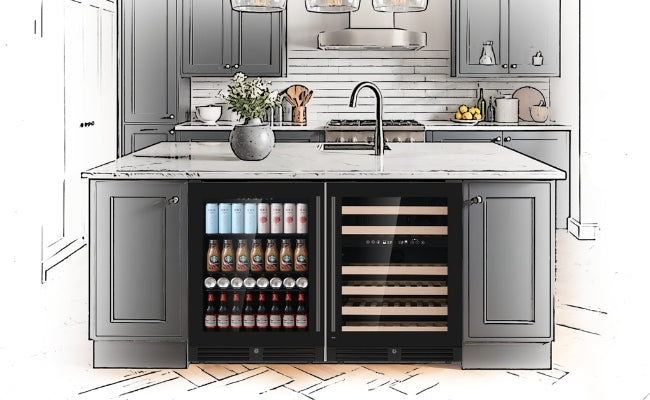
In the Kitchen
The kitchen remains the most common location for a beverage station, and for good reason.
It offers convenient access throughout the day while allowing homeowners to integrate the station into existing cabinetry and countertops.
Popular kitchen locations include:
-
Kitchen islands
-
Butler's pantries
-
Coffee bars
-
Adjacent dining areas
-
End-of-cabinet installations
A kitchen beverage station works especially well for households that consume beverages throughout the day and want easy access without sacrificing food storage space.
In a Home Bar
For homeowners who enjoy entertaining, a dedicated home bar can be the perfect location.
A built-in beverage refrigerator keeps drinks at serving temperature while providing easy access to mixers, garnishes, and glassware.
Because everything is located in one area, hosts spend less time running back and forth to the kitchen and more time enjoying their guests.
In a Family Room or Entertainment Space
Movie nights, game days, and family gatherings all revolve around refreshments.
Installing a beverage refrigerator in an entertainment room creates convenience while reducing traffic in the kitchen.
Guests can grab drinks without interrupting food preparation or conversations happening elsewhere in the house.
In a Home Office
As remote work becomes increasingly common, many homeowners are incorporating beverage stations into their office spaces.
Having access to water, cold brew coffee, sparkling water, or energy drinks without leaving the workspace can make the workday more efficient and enjoyable.
Even a compact beverage station can significantly improve convenience during busy days.
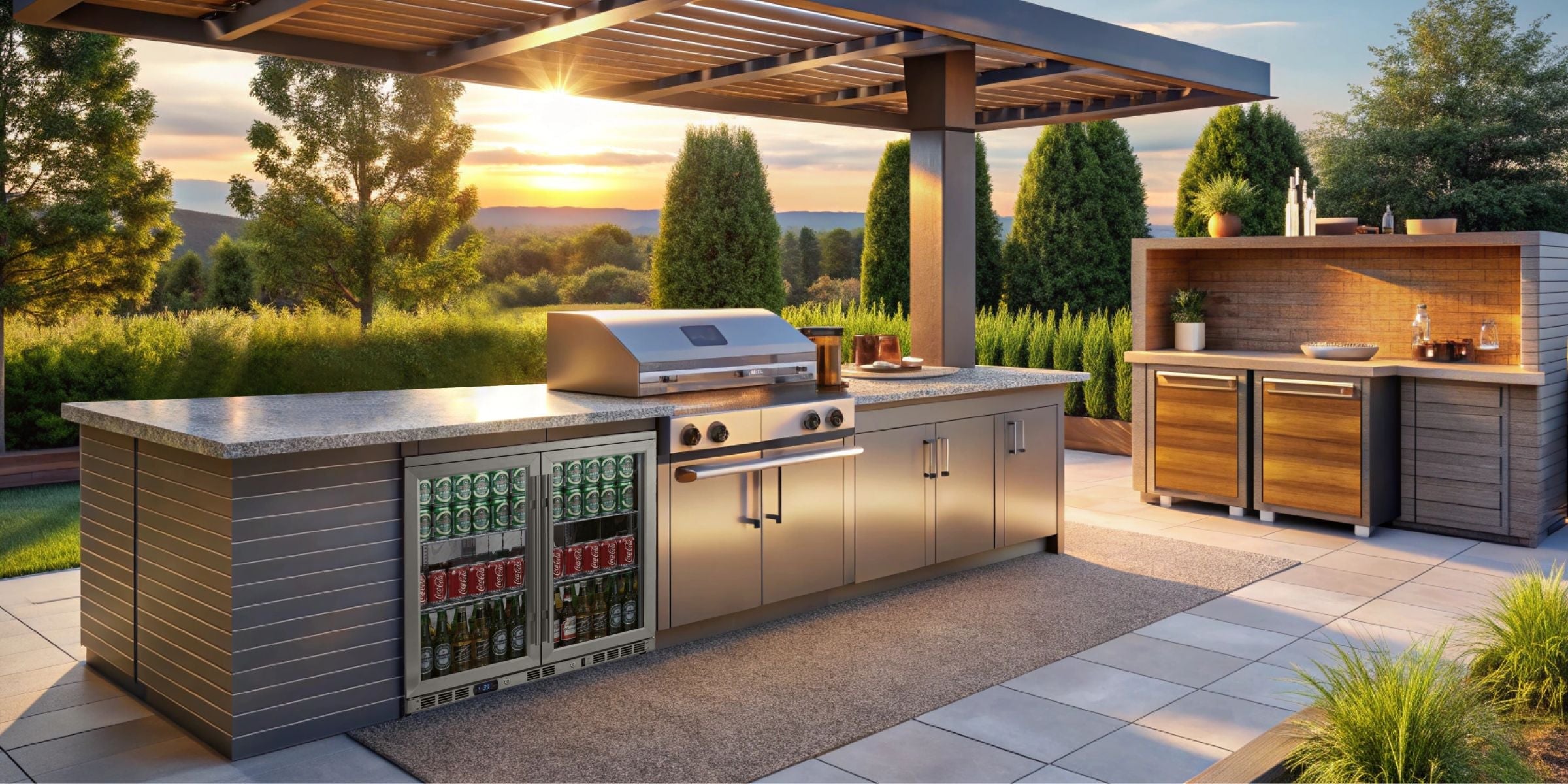
In Outdoor Living Areas
Outdoor kitchens and patios have evolved into true extensions of the home.
A built-in beverage refrigerator allows homeowners to keep drinks cold without making constant trips indoors.
When designing outdoor beverage stations, however, it is essential to select appliances specifically designed for outdoor environments and changing weather conditions.
Why a Built-In Beverage Refrigerator Makes Such a Difference
At first glance, homeowners sometimes wonder whether they really need a dedicated beverage refrigerator.
After all, doesn't the kitchen refrigerator already keep drinks cold?
While that is true, beverage refrigerators provide several important advantages that become obvious once they are integrated into daily life.
Optimized Beverage Storage
Standard refrigerators are designed to accommodate a wide variety of foods.
Beverage refrigerators, on the other hand, are engineered specifically for drinks.
Shelving layouts are designed to maximize storage capacity while maintaining visibility and accessibility.
Rather than stacking cans wherever space is available, beverages remain organized and easy to reach.
Consistent Serving Temperatures
Temperature consistency plays a major role in beverage enjoyment.
A dedicated beverage refrigerator maintains stable temperatures that help drinks taste their best.
Whether storing sparkling water, soda, beer, or canned cocktails, proper temperature control improves the overall experience.
Reduced Wear on the Main Refrigerator
Every time someone opens the refrigerator door, cold air escapes.
In busy households, beverage access alone can significantly increase refrigerator usage.
By moving drinks into a separate appliance, homeowners reduce traffic around the primary refrigerator while improving efficiency.
Seamless Integration
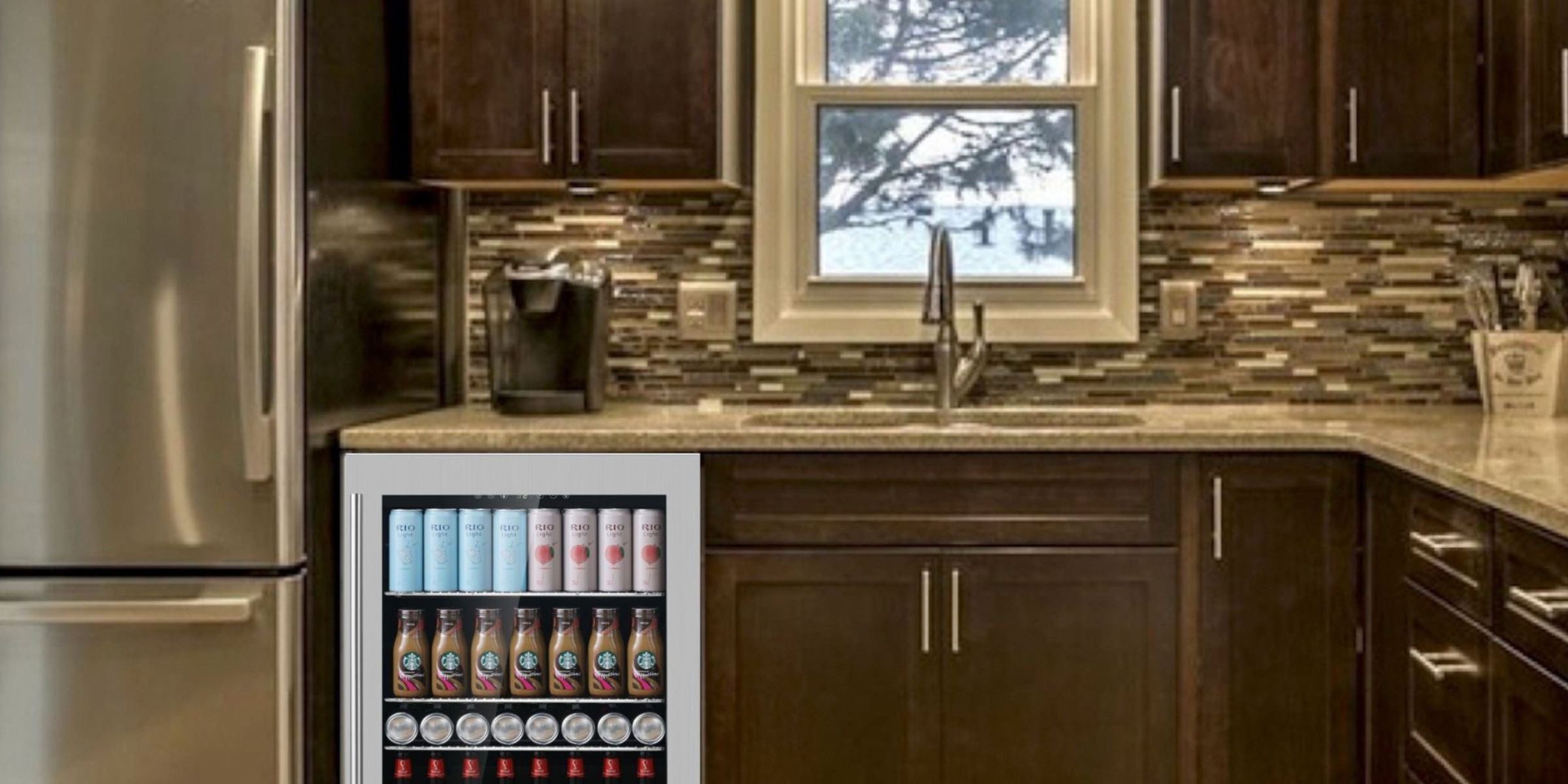
Built-in beverage refrigerators are designed to fit flush with surrounding cabinetry.
This creates a polished, custom appearance that enhances the overall design of the space.
Rather than looking like an afterthought, the appliance becomes part of the room's architecture.
Selecting the Right Beverage Refrigerator Size
Size selection should reflect both current needs and future habits.
Many homeowners regret purchasing a unit that is too small once they realize how often it is used.
Compact Options
Smaller beverage refrigerators work well for:
-
Home offices
-
Apartments
-
Secondary beverage storage
-
Small entertainment areas
These units typically provide enough capacity for everyday beverages without occupying excessive space.
Mid-Size Models
For most households, mid-size beverage refrigerators offer the ideal balance of capacity and flexibility.
They can accommodate a variety of beverage types while fitting comfortably within standard cabinetry layouts.
This category is often the most popular choice for kitchen beverage stations.
Large-Capacity Models
Frequent entertainers and larger households may benefit from expanded storage capacity.
Larger units provide room for:
-
Water bottles
-
Soft drinks
-
Beer
-
Energy drinks
-
Mixers
-
Ready-to-drink cocktails
The additional capacity reduces the need for constant restocking during gatherings.
A useful rule of thumb is to choose slightly more capacity than you believe you need. Beverage collections tend to grow over time.
Planning Storage Beyond the Refrigerator
A successful beverage station includes more than refrigeration alone.
The surrounding storage can significantly impact functionality.
Glassware Storage
Keeping glassware nearby improves convenience and creates a cohesive serving area.
Common storage options include:
-
Upper cabinets
-
Open shelving
-
Glass-front cabinets
-
Floating shelves
Depending on beverage preferences, storage may be needed for:
-
Wine glasses
-
Pint glasses
-
Cocktail glasses
-
Tumblers
-
Coffee mugs
Drawer Storage
Drawers help organize smaller items such as:
-
Bottle openers
-
Wine tools
-
Cocktail accessories
-
Napkins
-
Straws
-
Coasters
A few well-designed drawers can dramatically improve organization.
Countertop Space
Counter space is often overlooked during planning.
Even homeowners who do not prepare cocktails will appreciate having a dedicated surface for:
-
Pouring drinks
-
Preparing coffee
-
Organizing beverages
-
Serving guests
Adequate workspace transforms a refrigerator installation into a true beverage station.
Creating Beverage Zones for Better Organization
One of the simplest ways to improve usability is to organize beverages by category.
This approach makes inventory easier to manage while helping family members quickly find what they need.
Everyday Hydration Zone
Store frequently consumed beverages together.
Examples include:
-
Bottled water
-
Sparkling water
-
Sports drinks
-
Juice
These items should occupy the most accessible shelves.
Entertainment Zone
Reserve a section for beverages typically served during gatherings.
Examples include:
-
Soda
-
Craft beer
-
Hard seltzers
-
Mixers
This arrangement simplifies entertaining and restocking.
Specialty Beverage Zone
Dedicated sections can be created for:
-
Kombucha
-
Cold brew coffee
-
Energy drinks
-
Imported beverages
-
Seasonal drinks
Grouping similar items creates a cleaner, more organized appearance.
Design Ideas for Different Types of Homes
No two beverage stations need to look the same.
The best designs reflect the needs and personality of the homeowner.
Family Beverage Station
Families often prioritize convenience above all else.
A family-focused beverage station may include:
-
Water bottle storage
-
Juice organization
-
Healthy beverage options
-
Easy access for children
The goal is to support daily routines while keeping drinks organized.
Entertainer's Beverage Station
For frequent hosts, beverage stations become social hubs.
Key features may include:
-
Larger refrigeration capacity
-
Dedicated mixer storage
-
Glassware displays
-
Ample serving space
These stations are designed to simplify entertaining while creating an inviting atmosphere.
Coffee and Beverage Center
Many homeowners combine coffee preparation with beverage storage.
This setup can include:
-
Espresso machines
-
Coffee grinders
-
Syrup storage
-
Beverage refrigeration
The result is a versatile station that supports both morning routines and evening entertaining.
Home Office Beverage Hub
A compact office beverage station focuses on convenience and productivity.
Typical features include:
-
Water storage
-
Cold brew coffee
-
Healthy beverages
-
Small snack storage
This arrangement minimizes interruptions throughout the workday.
Outdoor Beverage Station
Outdoor stations prioritize durability and convenience.
When integrated into outdoor kitchens, they help create seamless entertaining experiences while reducing trips inside the home.
Creating a Beverage Station You'll Enjoy for Years
The perfect beverage station is not necessarily the largest, most expensive, or most elaborate. The most successful designs are the ones that genuinely improve how a household functions every day.
A thoughtfully designed beverage station can reduce kitchen clutter, simplify entertaining, improve organization, and make favorite beverages easier to enjoy. Whether installed in a kitchen, home office, entertainment room, or outdoor living area, it creates a dedicated destination that adds both convenience and enjoyment to daily life.
At the center of that experience is a built-in beverage refrigerator. By providing specialized storage, precise temperature control, and seamless integration with surrounding cabinetry, it transforms a simple collection of drinks into a functional, attractive feature that homeowners use every day.
When planned carefully and designed around real lifestyle needs, a home beverage station becomes far more than a storage solution. It becomes one of the most practical and enjoyable upgrades a homeowner can make.
FAQ
What is the difference between a beverage refrigerator and a regular refrigerator?
A beverage refrigerator is specifically designed to store drinks rather than a mix of food and beverages. It typically features shelving layouts optimized for cans and bottles, precise temperature controls, and better visibility for stored beverages. While a standard refrigerator must accommodate a wide range of food items with varying storage requirements, a beverage refrigerator focuses exclusively on keeping drinks organized and ready to serve. This specialization often results in better storage efficiency, easier access, and more consistent beverage temperatures.
Where is the best place to install a built-in beverage refrigerator?
The ideal location depends on how the space will be used. Kitchens remain the most popular choice because they provide convenient daily access and easy integration with existing cabinetry. Home bars, entertainment rooms, and family rooms are excellent options for households that frequently entertain guests. Home offices are becoming increasingly popular locations for beverage refrigerators, especially among remote workers who want convenient access to drinks throughout the day. Outdoor kitchens can also benefit from beverage refrigeration when using models designed for outdoor environments.
How large should a beverage refrigerator be?
The right size depends on household size, beverage preferences, and entertaining habits. Smaller units may be sufficient for home offices or compact spaces, while larger households often benefit from greater storage capacity. Homeowners who regularly host gatherings should consider larger models that can accommodate a wider variety of beverages and larger quantities. In many cases, choosing slightly more capacity than currently needed is a smart long-term decision, as beverage collections and entertaining needs often grow over time.
Can a beverage station increase home value?
While the exact impact varies depending on the property and local market conditions, beverage stations are often viewed as desirable upgrades by homebuyers. Features such as built-in beverage refrigerators, custom cabinetry, and dedicated entertaining spaces can contribute to a home's overall appeal. Even when resale value is not the primary goal, homeowners often find that beverage stations significantly improve daily functionality and enjoyment, making them a worthwhile investment in the living experience of the home.
What should be included in a home beverage station?
A well-designed beverage station typically includes more than just a refrigerator. Additional elements often include countertop workspace, storage cabinets, drawers for accessories, and shelving for glassware. Depending on lifestyle preferences, homeowners may also incorporate coffee equipment, cocktail tools, ice storage, or display areas for specialty beverages. The most successful beverage stations are designed to support both daily convenience and entertaining needs while maintaining a clean, organized appearance.
How do I keep my beverage station organized?
Organization starts with grouping beverages by category and assigning dedicated storage areas for different drink types. Many homeowners create sections for everyday beverages, entertaining beverages, and specialty drinks. Regular inventory checks, shelf cleaning, and beverage rotation help maintain order throughout the year. Adjustable shelving can also improve organization by allowing storage configurations to adapt as beverage preferences change. Consistent organization not only improves appearance but also makes the station more convenient to use every day.
Is a built-in beverage refrigerator worth it for a small home?
Yes, even smaller homes can benefit from a built-in beverage refrigerator when space is planned efficiently. Compact models provide dedicated beverage storage without occupying significant square footage and can help free up valuable room in the main refrigerator. In smaller kitchens, a beverage refrigerator can actually improve organization and functionality by reducing clutter and creating a dedicated space for drinks. The key is selecting a model that matches the available space and the household's actual beverage storage needs.