


Why Does Wine Storage Temperature Matter
Key Takeaways
- Proper wine storage temperature is essential to preserve wine’s flavor, aroma, and quality, preventing premature aging and spoilage.
- The ideal temperature range depends on wine type: 55–65°F (13–18°C) for reds, 45–55°F (7–13°C) for whites, and 40–50°F (4–10°C) for sparkling wines.
- Temperature fluctuations can lead to oxidation, off-flavors, and cork movement, damaging the wine.
- Temperature-controlled wine storage cabinets provide stable conditions and are highly recommended for protecting wine collections.
Wine is a delicate and complex beverage that requires proper storage to maintain its quality and flavor. One of the most crucial factors in wine storage is temperature. In this article, we will explore why wine storage temperature matters and how it can affect the preservation and enjoyment of your wine.
The Importance of Wine Preservation
Before we dive into the specifics of wine storage temperature, let's first understand why wine preservation is essential. Wine is a living product that continues to evolve and develop even after it has been bottled. Proper storage is crucial to ensure that the wine ages gracefully and maintains its intended flavor profile.
Improper storage conditions can lead to premature aging, oxidation, and spoilage of the wine. This can result in a loss of flavor, aroma, and overall quality. Therefore, it is essential to store wine in a controlled environment to preserve its integrity and enjoy it to its fullest potential.
The Role of Temperature in Wine Preservation
Temperature is one of the most critical factors in wine preservation. Wine is sensitive to temperature fluctuations, and even small changes can significantly affect its quality. The ideal temperature for wine storage is between 45 and 65 degrees Fahrenheit (7 and 18 degrees Celsius).
When wine is stored at a temperature that is too high, it can age too quickly, resulting in a flat and dull flavor. On the other hand, storing wine at too low a temperature can slow the aging process, resulting in a wine that lacks complexity and depth.
The Effects of Temperature Fluctuations
Temperature fluctuations can also have a detrimental effect on wine. When wine is exposed to fluctuating temperatures, it expands and contracts, causing the cork to move and allowing air to enter the bottle. This can lead to oxidation, which can ruin the wine's flavor and aroma.
Additionally, temperature fluctuations can cause the wine to develop off-flavors and aromas, making it undrinkable. Therefore, it is crucial to store wine in a temperature-controlled environment to prevent these fluctuations and preserve the wine's quality.
The Ideal Wine Storage Temperature
As mentioned earlier, the ideal temperature for wine storage is between 45 and 65 degrees Fahrenheit (7 and 18 degrees Celsius). However, the exact temperature will depend on the type of wine and how long you plan to store it.
Red Wine Storage Temperature
Red wine is typically stored at a slightly higher temperature than white wine. The ideal temperature for red wine storage is between 55-65 degrees Fahrenheit (13-18 degrees Celsius). This temperature range allows the wine to age gracefully and develop complex flavors and aromas.
White Wine Storage Temperature
White wine is more delicate than red wine and is typically stored at a lower temperature. The ideal temperature for storing white wine is between 45 and 55 degrees Fahrenheit (7 and 13 degrees Celsius). This temperature range allows the wine to maintain its freshness and acidity, resulting in a crisp and refreshing taste.
Sparkling Wine Storage Temperature
Sparkling wine, such as champagne, requires even lower storage temperatures. The ideal temperature for storing sparkling wine is between 40 and 50 degrees Fahrenheit (4 and 10 degrees Celsius). This temperature range allows the wine to maintain its effervescence and prevents the cork from popping prematurely.
The Role of Wine Storage Cabinets
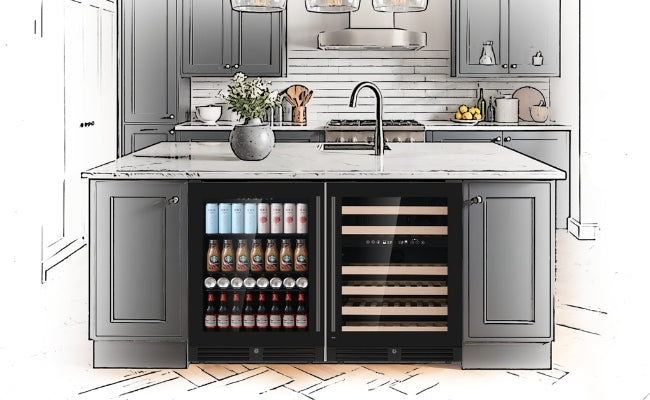
Wine storage cabinets are specially designed to maintain a consistent temperature and humidity level, making them an ideal storage solution for wine enthusiasts. These cabinets feature a temperature control system that lets you set the desired temperature for your wine collection.
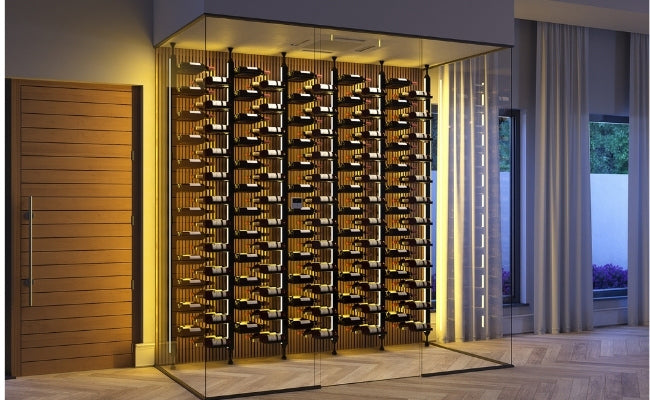
Additionally, wine storage cabinets are designed to protect your wine from light, vibration, and humidity, all of which can affect the quality of the wine. They also provide a secure and organized space to store your wine collection, making it easy to access and enjoy your favorite bottles.
Temperature-Controlled Wine Storage Cabinets
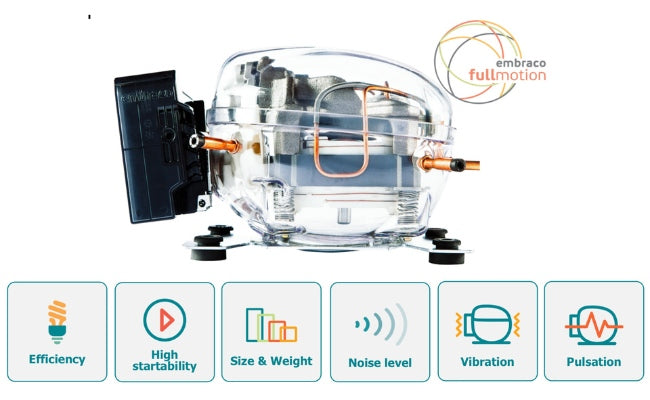
Temperature-controlled wine storage cabinets are designed to maintain a consistent temperature, making them ideal for long-term wine storage. These cabinets are equipped with a cooling system that maintains a temperature within the ideal range for wine storage.
Temperature-controlled wine storage cabinets are available in various sizes and styles, making it easy to find one that fits your space and storage needs. They are also energy-efficient, making them a cost-effective option for storing your wine collection.
The Importance of Monitoring Wine Storage Temperature
While temperature-controlled wine storage cabinets are an excellent solution for storing wine, it is still essential to monitor the temperature regularly. This is especially important if you are storing your wine for an extended period.
Temperature fluctuations can occur due to power outages, equipment malfunctions, or changes in the external environment. By regularly monitoring the temperature, you can ensure that your wine is stored at the ideal temperature and make any necessary adjustments to maintain its quality.
Wine Storage Temperature Tips
Here are some additional tips to help you maintain the ideal temperature for your wine storage:
- Keep your wine storage area away from direct sunlight and heat sources.
- Avoid storing wine in the kitchen or near appliances that generate heat.
- If you do not have a temperature-controlled wine storage cabinet, consider storing your wine in a cool, dark closet or basement.
- If you are storing wine for an extended period, consider investing in a temperature-controlled wine storage cabinet.
- Regularly monitor the temperature of your wine storage area to ensure it remains within the ideal range.
Conclusion
Wine storage temperature is a crucial factor in preserving your wine's quality and flavor. By storing your wine at the ideal temperature, you can ensure that it ages gracefully and maintains its intended flavor profile. Whether you are a casual wine drinker or a serious collector, investing in a temperature-controlled wine storage cabinet can help you enjoy your wine to its fullest potential.
FAQ
Why is temperature important in wine storage?
Temperature is crucial for wine storage because it affects how wine ages, develops flavor, and preserves its quality. If wine is stored at the wrong temperature, it can age too quickly, become flat, or lose its intended aroma and taste. The right temperature ensures wine matures gracefully and is enjoyable when opened.
What happens to wine if it’s not stored at the ideal temperature?
Improper storage can cause wine to age too fast, lose its complexity, and develop off-flavors. High temperatures flatten flavors and accelerate spoilage, while low temperatures slow aging and diminish wine’s depth. Drastic temperature swings risk oxidation and spoilage by allowing air into the bottle through the cork.
What is the ideal temperature range for storing wine?
The recommended storage temperature for most wines is between 45–65°F (7–18°C). Red wines do best at 55–65°F (13–18°C), white wines at 45–55°F (7–13°C), and sparkling wines at 40–50°F (4–10°C). Consistency within these ranges helps preserve flavor and aroma.
How do temperature fluctuations affect wine quality?
Temperature fluctuations cause wine to expand and contract, moving the cork and exposing the contents to air. This leads to oxidation, sour aromas, and a loss of freshness, ultimately making the wine undrinkable. Stable temperatures are key to preserving wine over time.
Why should I use a temperature-controlled wine storage cabinet?
Temperature-controlled cabinets keep wine at a consistent, optimal temperature and humidity. They shield bottles from heat, light, and vibration. This technology is ideal for both casual wine drinkers and serious collectors who want to protect and age their collection properly.
Are there differences in storage temperature between red, white, and sparkling wines?
Yes. Red wines need slightly warmer storage (55–65°F/13–18°C) for complexity, white wines are best at cooler settings (45–55°F/7–13°C) to maintain freshness, and sparkling wines require the coolest conditions (40–50°F/4–10°C) to preserve their effervescence.
How can I monitor and maintain the proper wine storage temperature?
Use a thermometer or built-in temperature display if you have a storage cabinet. Check regularly for fluctuations, especially after power outages or equipment failure. For long-term storage, alarms and smart monitors can alert you to any change in temperature.
Where should I avoid storing wine at home?
Avoid places with frequent temperature changes or heat, such as kitchens, near appliances, or areas exposed to sunlight. Closets, basements, or dedicated cabinets away from heat sources are better choices for maintaining stable wine storage conditions.
What risks come with not monitoring wine storage temperature?
If temperature isn’t monitored, unnoticed fluctuations or rises can ruin wine gradually. Power outages or failing cooling systems may go undetected, leading to spoilage and lost investment. Consistent oversight ensures you catch problems before they affect your wine.
What are some practical wine storage temperature tips?
Keep wine out of direct sunlight, away from heat-generating appliances, and in a cool, dark space if you lack a wine cabinet. For collectors, a temperature-controlled cabinet is best for storage and monitoring, helping preserve wine’s intended flavors for years to come.


