



Article: Floor-to-Ceiling Wine Racks: How to Plan a Wall-Mounted Display for Any Space
Floor-to-Ceiling Wine Racks: How to Plan a Wall-Mounted Display for Any Space
Key Takeaways
-
Floor-to-ceiling wine racks maximize storage in a small footprint by using vertical space.
-
Accurate wall measurement and a level, sound mounting surface come before anything else.
-
Metal systems suit modern interiors; timber suits classic and cellar-style spaces.
-
Label-forward and mixed orientations turn a rack into a genuine display feature.
-
Location matters: control light, temperature, and humidity to protect the wine.
A floor-to-ceiling wine rack turns a plain wall into the centerpiece of a room. It stores a serious collection in a footprint most other furniture cannot match, and it does it while looking like architecture rather than storage. But a display that spans an entire wall is only as good as the planning behind it, and the difference between a stunning wine wall and an awkward one comes down to measuring, material, and layout decisions made before anything is mounted.
This guide walks through how to plan floor-to-ceiling wine racks for your space, from measuring the wall to choosing the right system, so the finished display looks intentional, holds your collection properly, and lasts.
Why Floor-to-Ceiling Wine Racks Work So Well
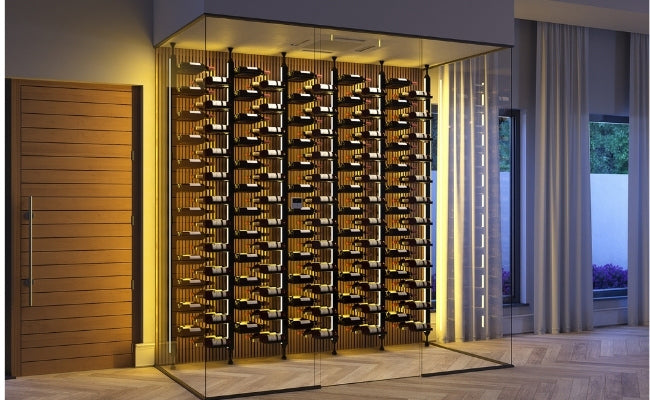
The appeal of a floor-to-ceiling rack is simple. It uses the one dimension most rooms have to spare, which is height. A collection that would sprawl across a large cabinet or eat up valuable floor space instead climbs a wall you were not using, freeing the room while multiplying storage.
That vertical approach does two jobs at once. It stores more bottles per square foot of floor than almost any alternative, and it creates a visual feature, a full wall of wine that anchors a dining room, a bar area, a hallway, or a dedicated cellar. Done well, it reads as a design decision, not a practical compromise.
It is also flexible in a way built-in cabinetry is not. Wall-mounted and floor-to-ceiling systems can fit alcoves, awkward gaps, under-stair spaces, and full walls, and modular designs let you scale the display to the wall you actually have. That adaptability is exactly why they suit spaces from compact apartments to large custom homes. If your goal is a true feature wall rather than simple storage, it is worth thinking about the display as a whole, the same way you would when planning a functional wine wall from the ground up.
Step One: Measure Your Space Properly
Every good wine wall starts with accurate measurements, and this is the step most likely to sink a project if rushed.
Start with the three core dimensions: the height from floor to ceiling, the available width of the wall, and the depth you can give up without crowding the room. Depth matters more than people expect, because a rack that projects too far into a walkway becomes a daily annoyance no matter how good it looks.
Then account for the real-world details. Note the height you can comfortably reach, since bottles stored above it need a step stool or become display-only. Mark the location of light switches, outlets, vents, and windows that the rack will need to work around. And check the ceiling height precisely, because a true floor-to-ceiling fit depends on it, and ceilings are rarely as even as they appear.
Finally, plan for the collection itself. Standard Bordeaux bottles, wider Burgundy and Champagne bottles, and magnums all take different amounts of space, so a display meant to hold a varied collection needs a system that accommodates more than one bottle size.
Step Two: Check the Wall and Mounting Surface
A floor-to-ceiling rack loaded with bottles carries real weight, so the wall behind it is not a detail to gloss over.
Wall-mounted and floor-to-ceiling systems need a sound, level surface and secure fixing. On drywall, that usually means locating studs or using appropriate heavy-duty anchors rated for the load, because a full rack of wine is heavy and a display that pulls away from the wall is both a loss and a hazard. Masonry and concrete walls hold well but need the right fixings. It is always worth using the brackets and fixings designed for your specific rack rather than improvising, since the wall bracket and fixing hardware is engineered for the weight the system is rated to hold.
Level matters as much as strength. A rack mounted even slightly off level looks wrong across a full wall, where the error compounds top to bottom, and it can let bottles sit at an angle that does not keep the cork properly in contact with the wine. Take the time to get the first row true, because everything above it follows.
Step Three: Choose Your Material and Style
The material sets the entire character of the display, and the right choice depends on your interior and how you want the wall to read.
Metal Systems
Metal wine racks suit contemporary and modern interiors. Their slim profiles and open structure create a light, floating look that shows the bottles rather than the rack, which makes them ideal for a minimalist wine wall or a display meant to feel architectural. Metal systems are also where most true wall-mounted and floor-to-ceiling designs live, and they handle full-height installations cleanly. Browse the metal wine rack systems to see how different profiles change the feel of a wall.
Timber Systems
Timber wine racks bring warmth and a classic, cellar-inspired look. They suit traditional interiors, dedicated wine rooms, and spaces where you want the storage to feel substantial and grounded rather than light and floating. Wood reads as timeless, and for a classic cellar aesthetic it is hard to beat. The timber wine rack range covers configurations from small inserts to large, room-defining walls.
Matching the System to the Wall
Beyond material, the system type should match your wall. A full, uninterrupted wall suits a floor-to-ceiling system that makes the whole surface a feature. An alcove or a gap beside a fireplace might suit a built-in-look insert. A partial wall or a spot above a counter often works best with a wall-mounted section rather than a full-height run. The best system is the one that fits the specific space rather than the largest one that will physically go there.
Step Four: Design the Layout and Display
Here is where a rack becomes a display. How bottles are oriented and arranged changes the entire effect.
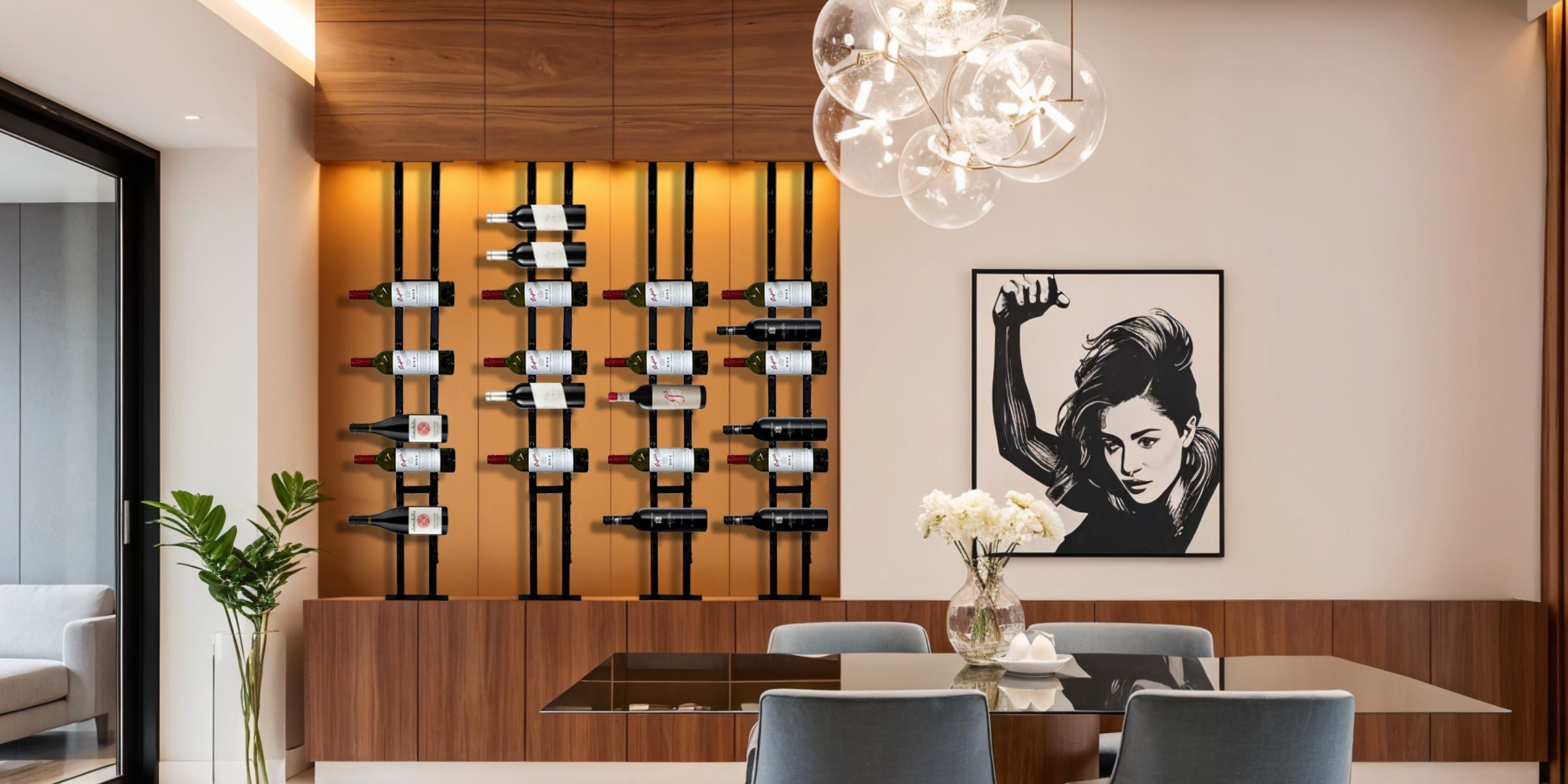
Most wine should be stored horizontally, which keeps the cork in contact with the wine so it stays moist and seals properly. That is the default for the bulk of a collection. But a display gains a lot from mixing in some label-forward positions, where select bottles face outward to show their labels. Label-forward display rows turn a storage wall into a showcase and let you feature standout bottles or a rotating selection.
A few layout principles help the wall read as intentional. Keep everyday bottles within easy reach and reserve the highest rows for display or long-term storage you access rarely. Consider grouping by type, reds together, whites together, sparkling in its own zone, both for visual order and practical access. And if the system supports it, build in a few display niches or a lit feature row to give the eye a focal point rather than an unbroken grid.
For a large or growing collection, modular systems earn their place, because they let you start with the wall you have and expand the display as the collection grows rather than committing to a fixed size on day one.
Step Five: Get the Location Right
Even the best-designed wine wall fails the wine itself if it sits in the wrong spot, because wine is sensitive to its environment.
Three conditions matter most. Light, especially direct sunlight and strong artificial light, degrades wine over time, so a display wall should avoid direct sun and harsh lighting on the bottles. Temperature should be reasonably stable, since heat and swings age wine prematurely, which is why wine storage temperature genuinely matters for anything you intend to keep. And humidity should sit in a moderate range, because very dry air can dry out corks while very damp air harms labels.
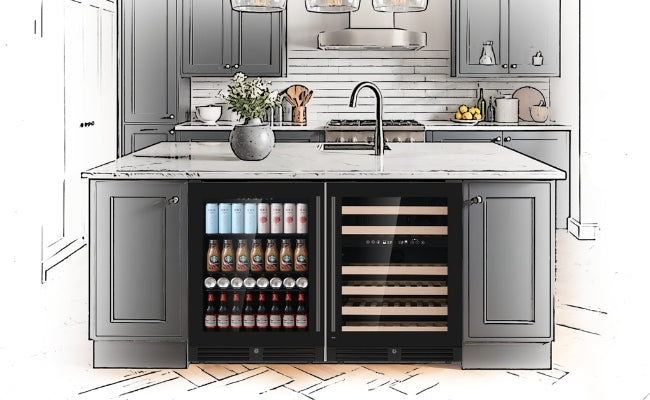
This is the key distinction to plan around. An open floor-to-ceiling rack is display storage, ideal for bottles you will drink within a reasonable window and for showing a collection. For long-term aging of valuable bottles, those conditions need active control, which is where refrigerated storage comes in rather than an open-air wall. Many collectors run both: a striking open display wall for the working collection and a temperature-controlled unit for bottles being aged. If you go that route, remember a wine fridge has its own placement needs, including proper ventilation to run efficiently. Deciding which bottles belong where is part of planning the display, not an afterthought.
Bringing It Together
A successful floor-to-ceiling wine display is the product of a handful of deliberate decisions: measure the wall accurately, confirm it can carry the load, choose a material that fits your interior, design a layout that balances storage with display, and place it where the environment protects the wine. Get those right and the result is a wall that stores a serious collection, suits the room, and looks like it was always meant to be there.
Frequently Asked Questions
How much weight can a floor-to-ceiling wine rack hold?
It depends on the system and, more importantly, the wall behind it. A full rack of wine is heavy, since each bottle adds up quickly across a floor-to-ceiling run, so the mounting surface and fixings must be rated for the total load. On drywall, secure into studs or use heavy-duty anchors, and always use the brackets designed for your specific rack rather than improvising with generic hardware.
Are metal or timber wine racks better for a floor-to-ceiling display?
Neither is better outright, because it depends on your interior. Metal systems have slim, open profiles that suit modern and minimalist spaces and handle true floor-to-ceiling installations cleanly. Timber brings warmth and a classic, cellar-inspired look that suits traditional rooms and dedicated wine spaces. Choose the material that matches the style of the room and how you want the wall to read.
Can I store wine long-term in an open floor-to-ceiling rack?
An open rack is display storage, ideal for bottles you will drink within a reasonable window and for showing your collection. For long-term aging of valuable bottles, you need controlled temperature and humidity, which an open-air wall cannot provide. Many collectors pair a striking open display wall for the working collection with a temperature-controlled unit for bottles being aged over years.
How do I display wine bottles so the labels show?
Use label-forward positions, where select bottles face outward rather than lying flat, so their labels are visible and become part of the display. Reserve these for standout bottles or a rotating feature selection, and keep the bulk of the collection stored horizontally so the corks stay in contact with the wine. Mixing the two orientations turns a storage wall into a genuine showcase.
Planning Your Wine Display
Floor-to-ceiling wine racks are one of the most effective ways to store a collection and elevate a room at the same time. The planning is what separates a display that works from one that disappoints: measure carefully, mount securely, choose a material that suits your space, design the layout with both storage and display in mind, and protect the wine with the right location. Do that, and a single wall does the work of a cellar while looking like a feature.
Explore floor-to-ceiling wine racks and the full range of wine display systems at KingsBottle to plan a wall-mounted display sized to your space and collection, with modular and custom options for any wall.